Fly Tying Materials

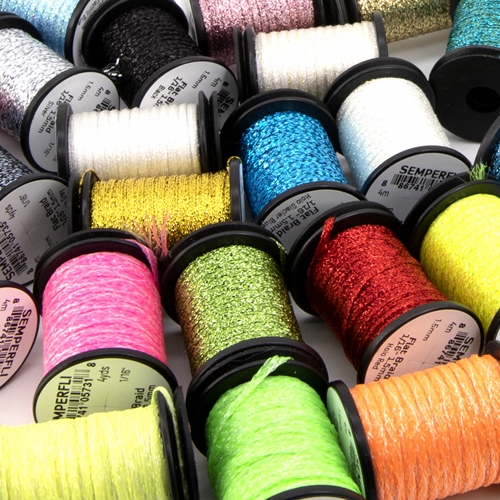
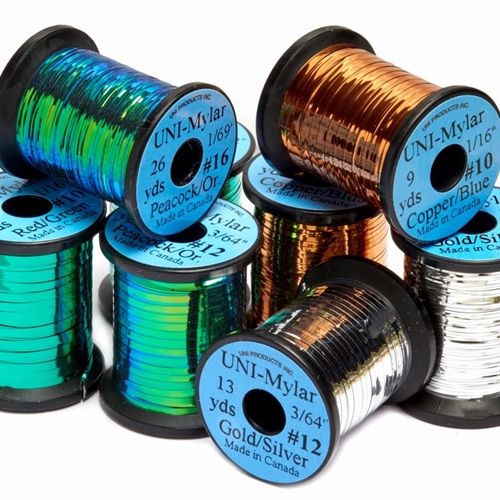
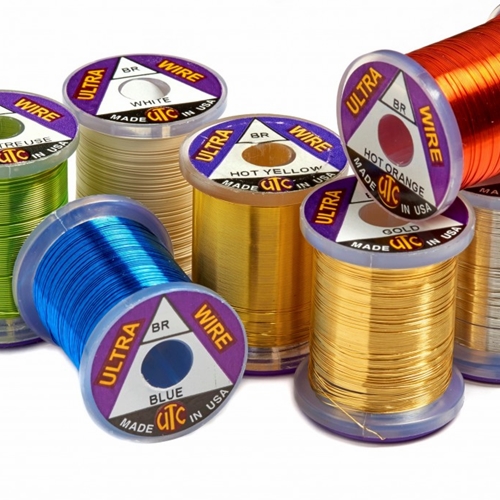
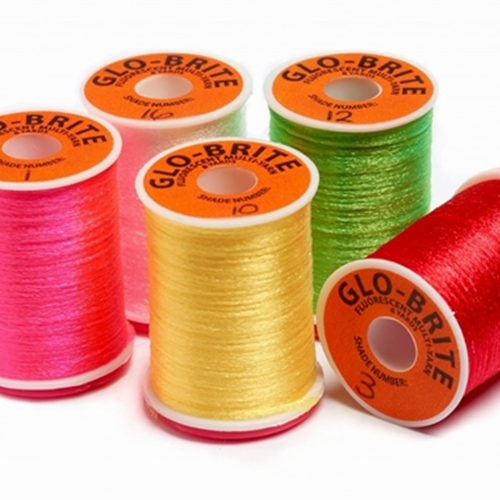
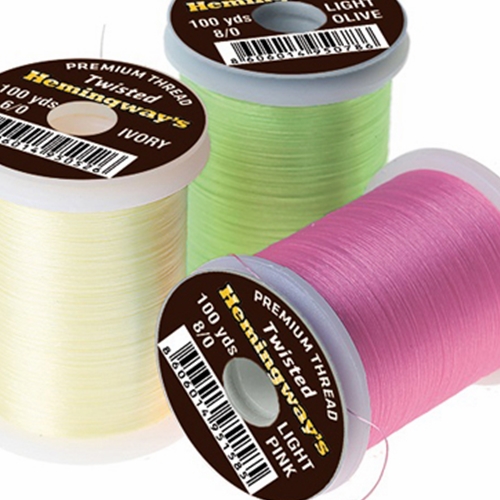
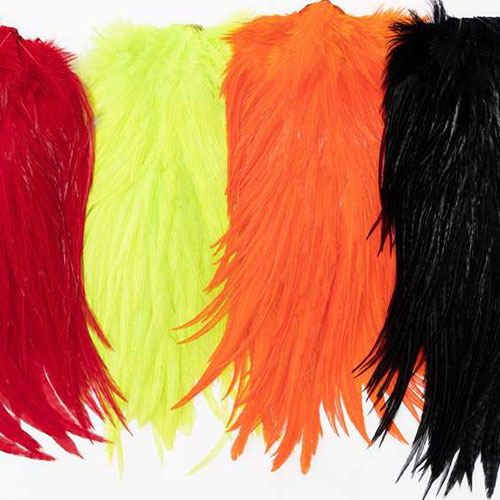
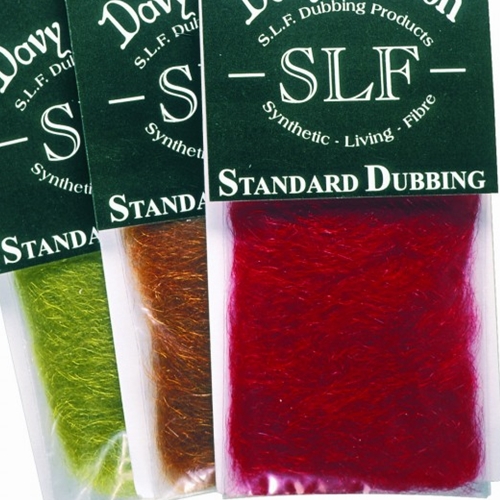
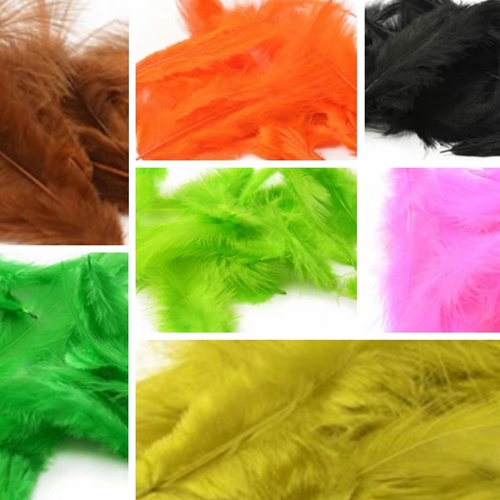
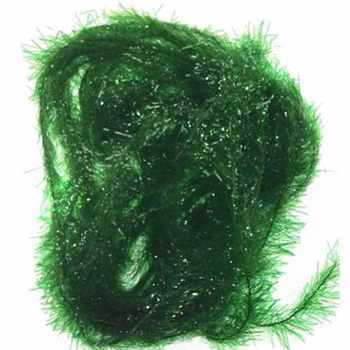
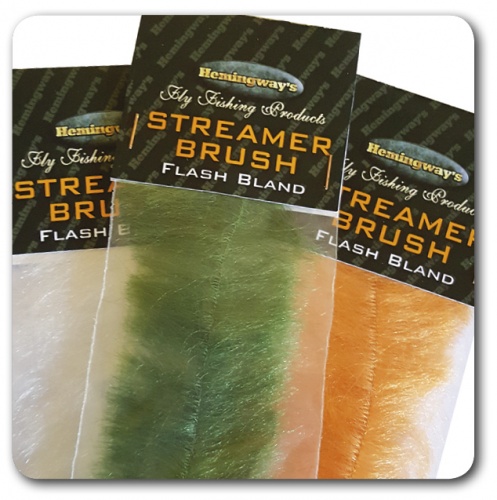
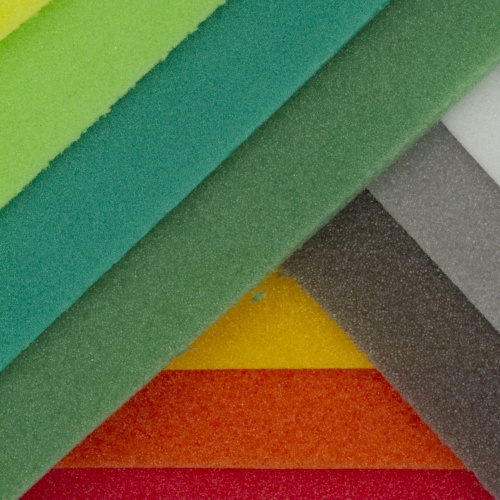
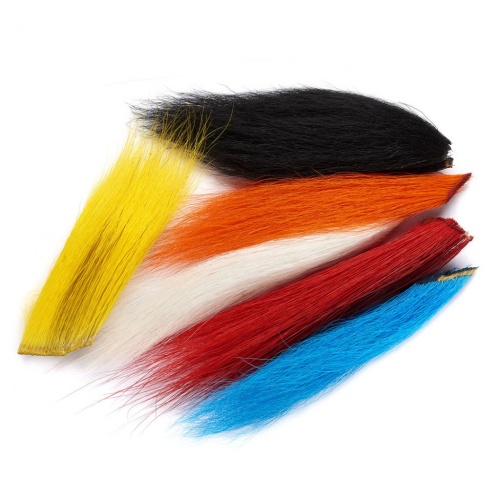
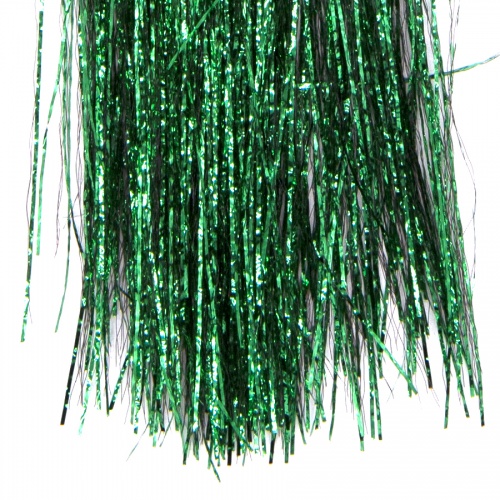
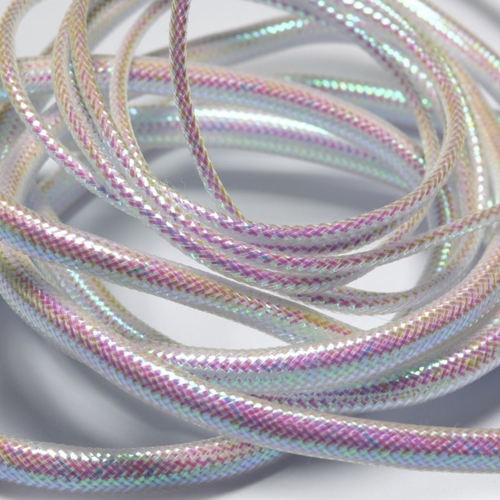
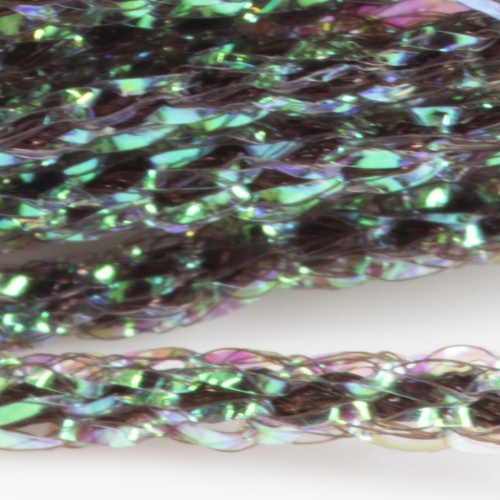
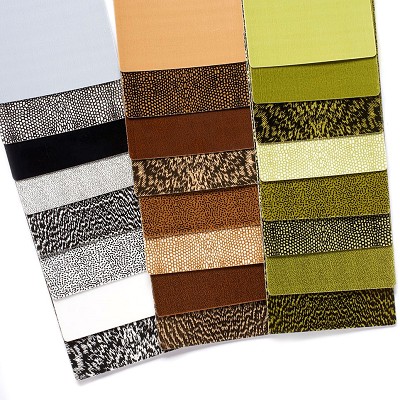
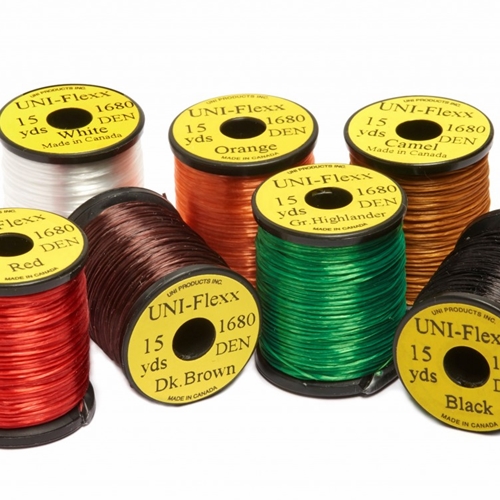
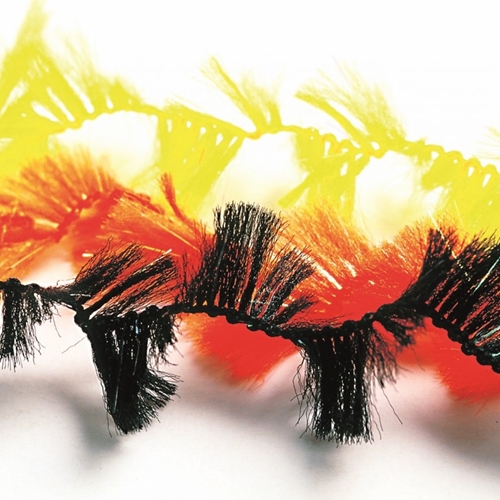
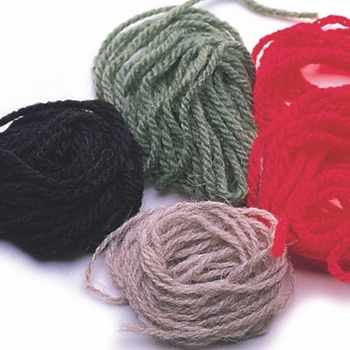
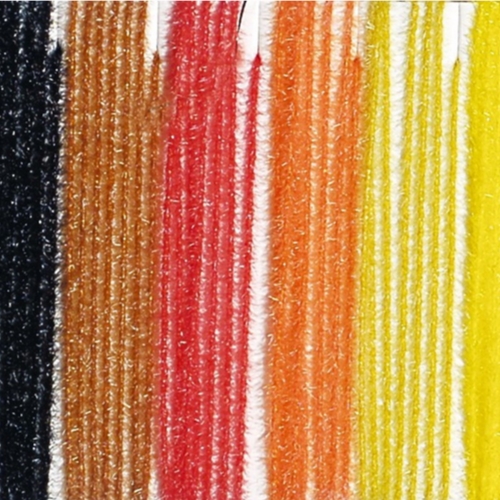
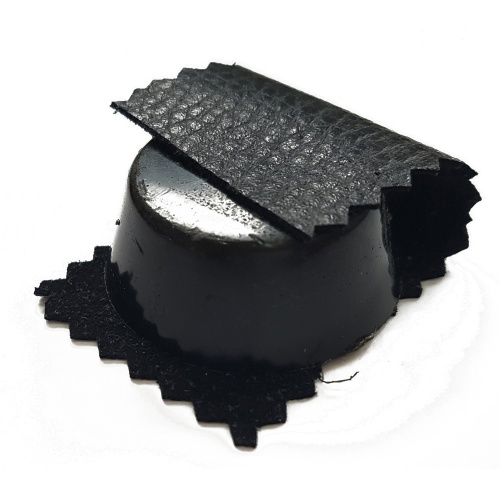
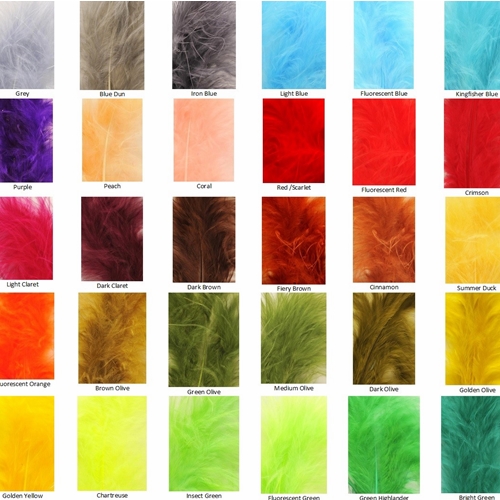
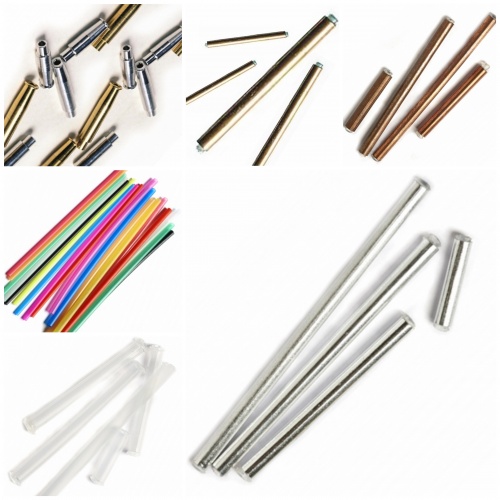
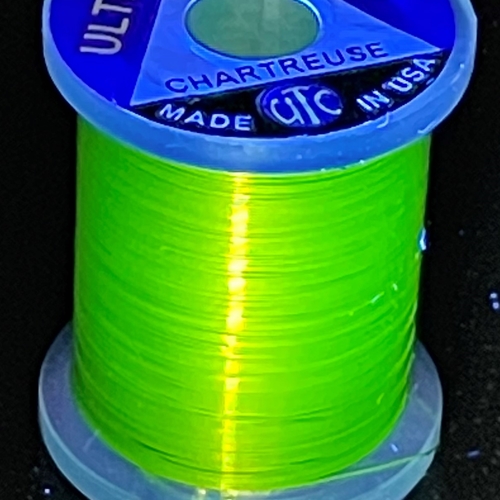
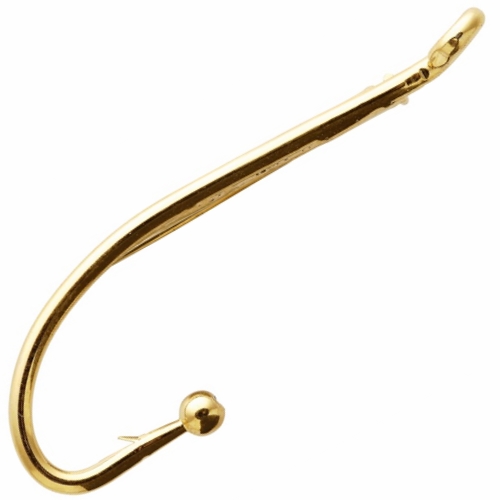
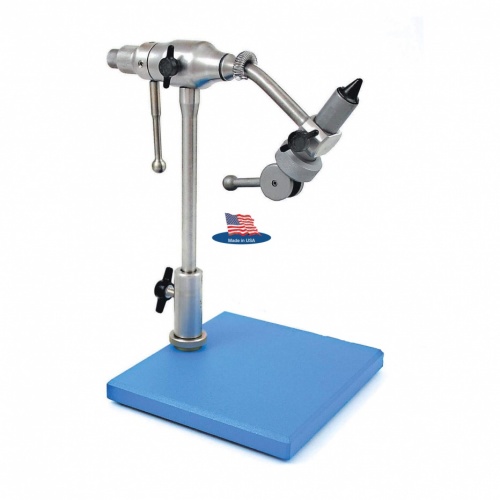
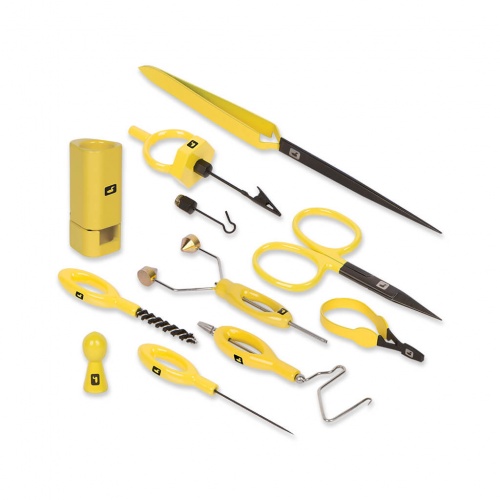
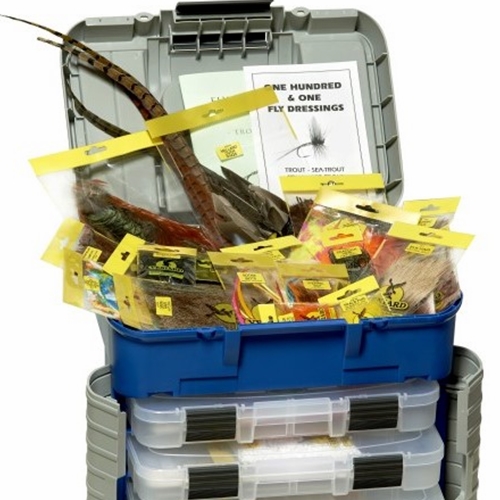
Fly Tying Materials from fly tying vices standard & rotary fly tying vices to fly tying tools plus fly tying materials like fly tying thread & silk. Fly tying materials can be natural or synthetic. Fly tying materials include synthetic fly tying materials like mylar tinsel & chenilles to specialist fly tying materials including dyed furs, feathers, capes, dubbing, cdc, hooks, tubes and fly tying materials from top fly tying materials companies including Semperfli, Veniard, Umpqua,  Kamasan, Mustad

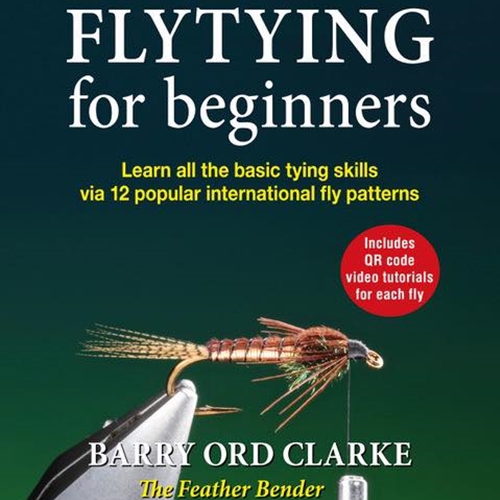
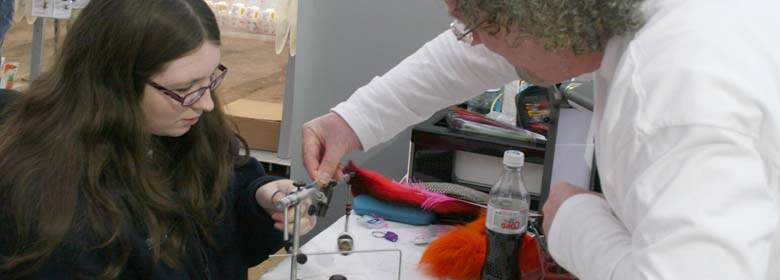
Fly tying is the process of producing an artificial fly to be used by anglers to catch fish via means of fly fishing. Fly tying requires some basic equipment, crucially a fly tying vice or rotary fly tying vice the appropriate fly tying materials for the fly pattern being tied and a fly pattern to follow or replicate. Fly tying equipment enables the fly tyer to efficiently and effectively assemble and secure the fly tying materials on the hook. 

Fly tying is an old art form. Flies have been "tied" using fly tying materials including fur and feather to imitate natural flies or dressed flies like traditional dressed salmon flies over the last centuries. Indeed many people credit Isaac Walton and his 1676 edition of The Compleat Angler as the beginning of fly fishing and fly tying. owever primative fly tying in reality existed as early the 3rd Century AD when the writer Aelianus described catching fish with artificial flies. The tying was "..... they fasten crimson wool around the hook and fix onto the wool two feathers" in this case the fly tying materials was simply crimson co. In 1496 Dame Juliana Berners wrote the Treatise of Fishing with an Angle which described tying using similar fly tying materials to the Macedoneans.

Realistic Flies

Fly Tying is a genuine artform, it exists in many forms, from simple tying using maybe just some fly tying materials like cdc feathers and dubbing to sophisticated fly tying materials where tyers tying ultra-realistic flies which are really too beautiful to be fished with! Ultra-realistic tying has become so detailed that it may take 40 hours to create a single fly. However most fly fishermen tie to create imitative or suggestive flies.

Imitative Flies

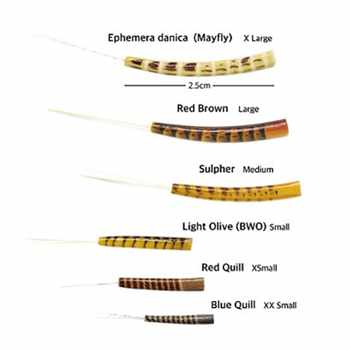
When fly tying an imitative or exact imitative fly our fly tying is intended to match the original natural fly or insect. Fly tying and using imitative or exact imitative flies is hard work as the tying demands anatomical perfection (exact imitation). The trouble is your fly tying materials may create an exact replica of say the grannom caddis but is only useful when that exact fly is about.

Suggestive or Impressionistic Flies

What does fly tying suggestive or fly tying impressionistic flies mean? Simple we are fly tying to create a fly imitation that seems like the food. Tying flies that are impressionistic or suggestive is simpler to both fly tie and fish. Examples are GRHE (Gold Ribbed Hares Ear), Woolly Buggers or Muddler minnows.

Fly Tying Materials

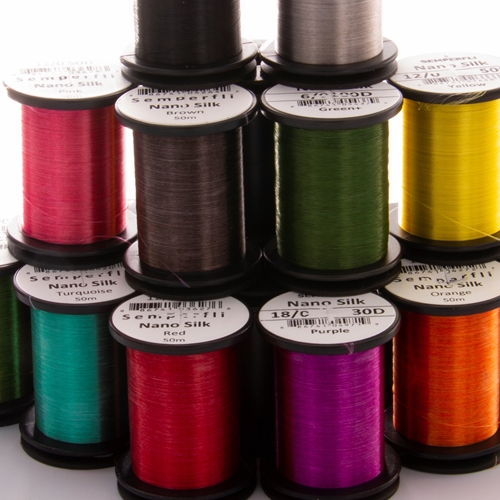
In the late 1800 's to 1950 tying used exotic fly tying materials from rare bird species. Today things have changed, when fly tying there is a vast range of fly tying materials that can be used. Ranging from traditional fly tying furs like hare and fly tying feathers like pheasant tail.  Synthetic fly tying materials like mylar tinsels, silks or threads. Modern fly tying threads like Semperfli Nano silk now exist in 12/0 size (50 denier) but they are virtually unbreakable due to the materials used to create these thread.


Please help us and Rate us with Google, click the +1 Button fly fishing
Fly Fishing News / Customer Reviews:  RSS
  
cyber-lake.com Top Fishing Sites 4reel fishing top fishing sitesFishingFans Top UK Fishing WebsitesThe Essential Trout & Salmon Fly Company is an Upfront Merchant on TheFind. Click for info.
Top Fishing Websites at TopFishingSites.ComTop 100 Fishing Sites on Top100Add.com - Add your Site, Boost Your Traffic!Canada's Top 100 Fishing Sites Hier gehts zur XXL Topliste