



GRHE Nymphs - The Gold Ribbed Hare's Ear Fly Patterns
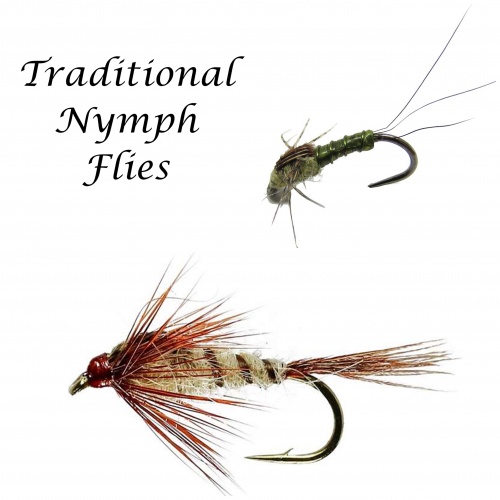
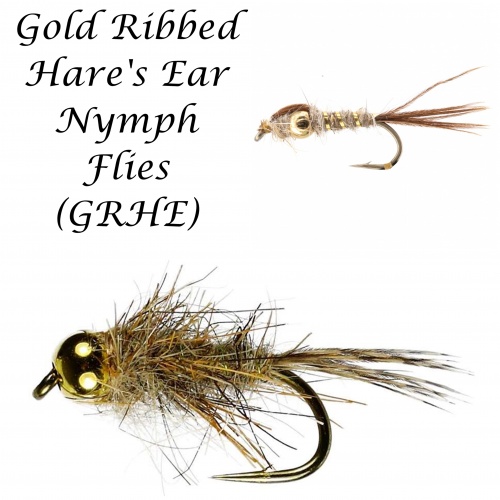
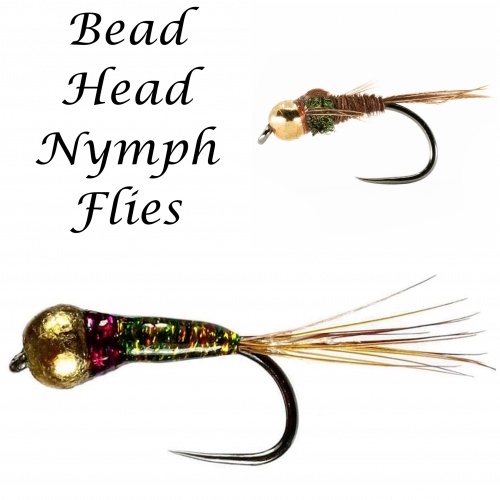
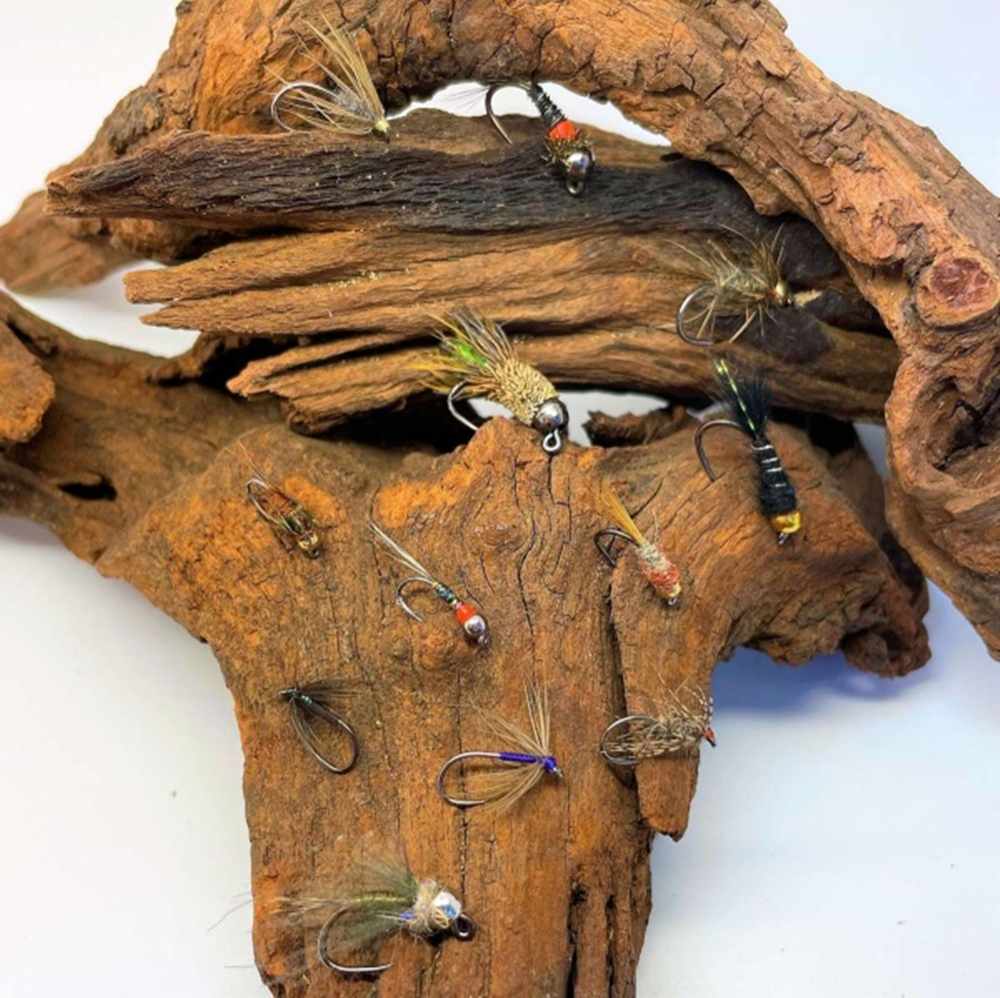
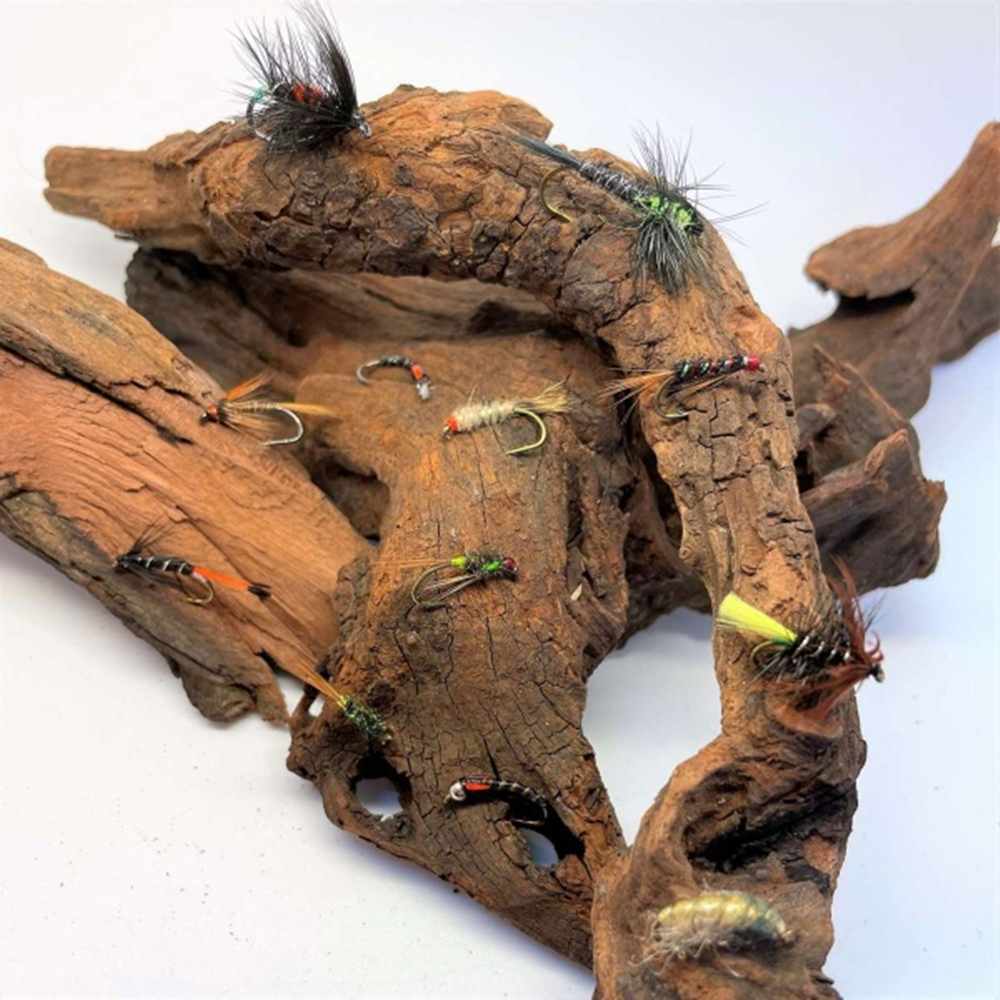
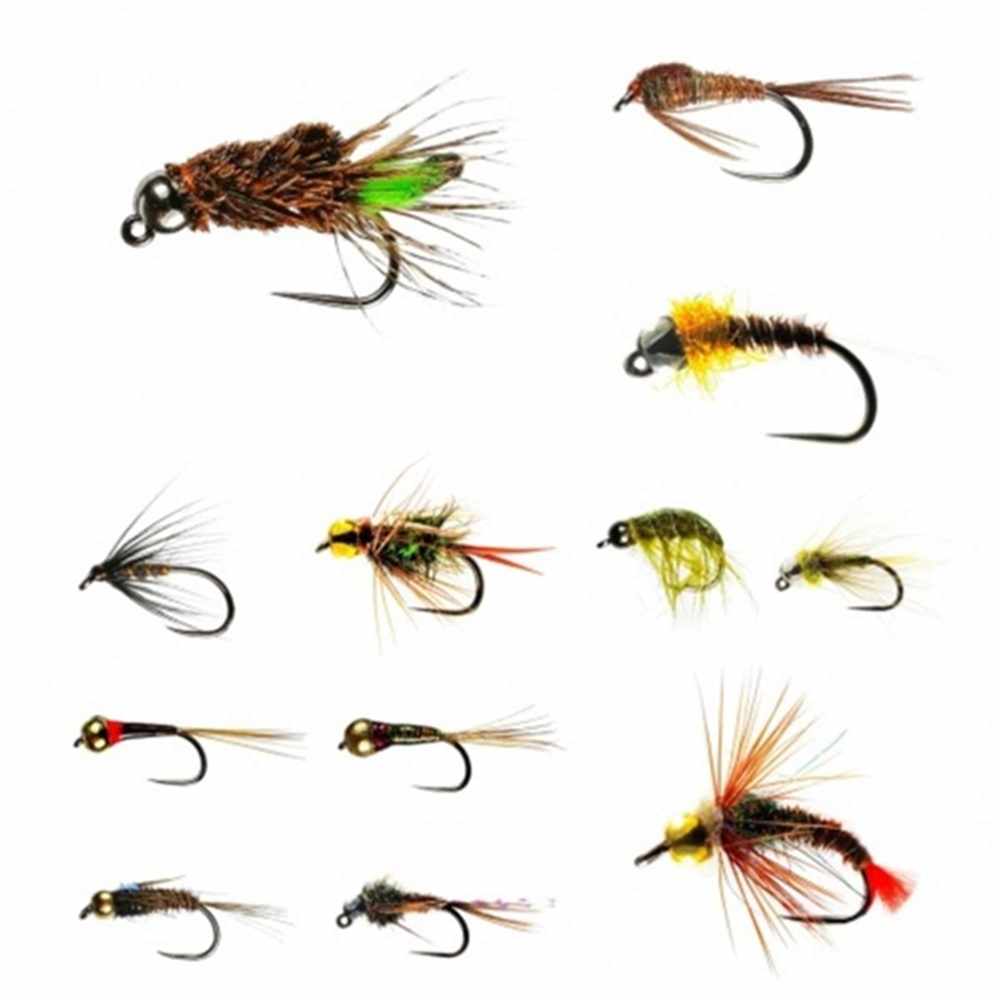
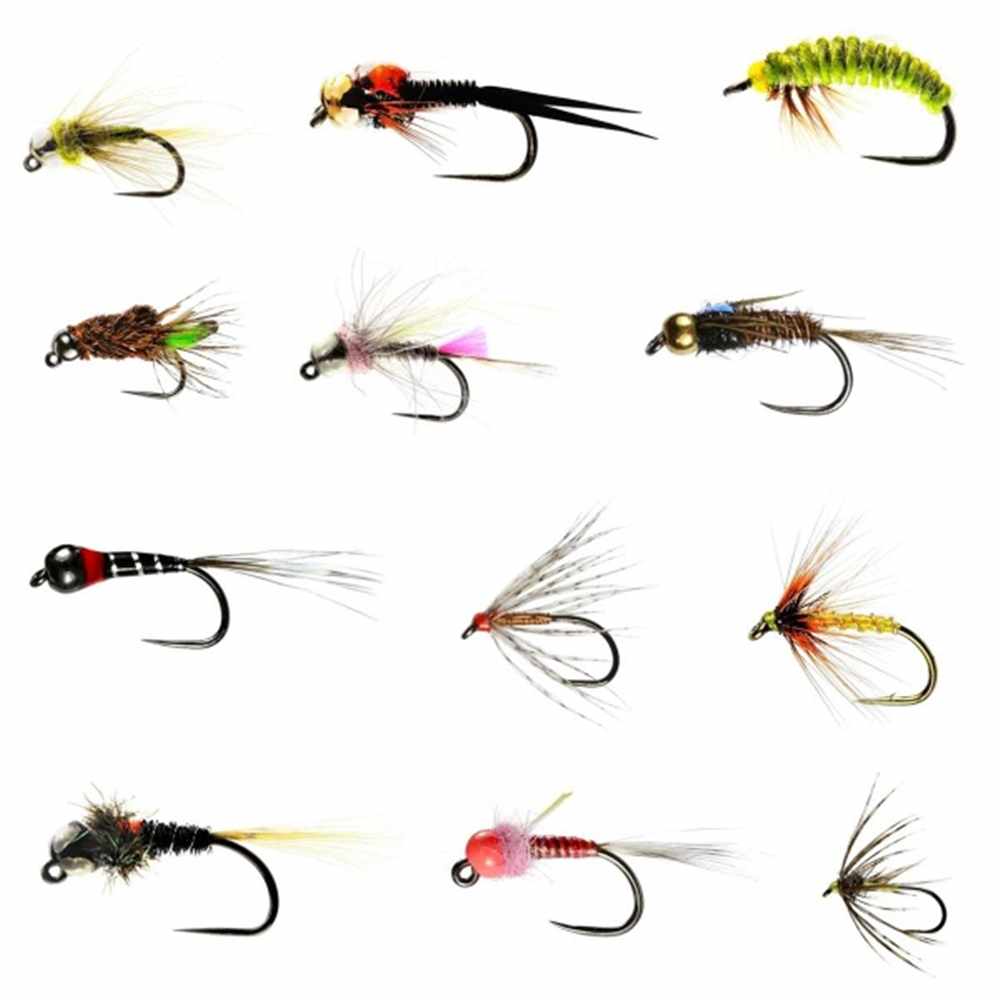
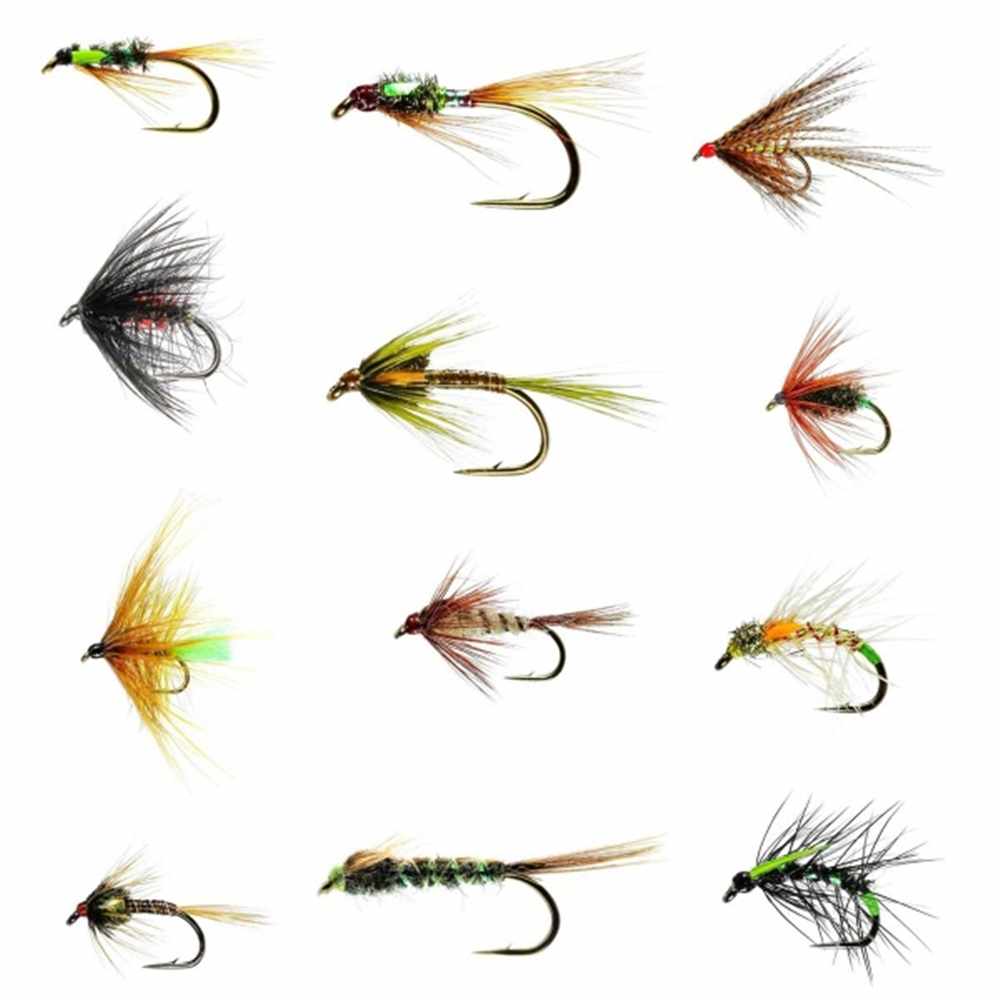
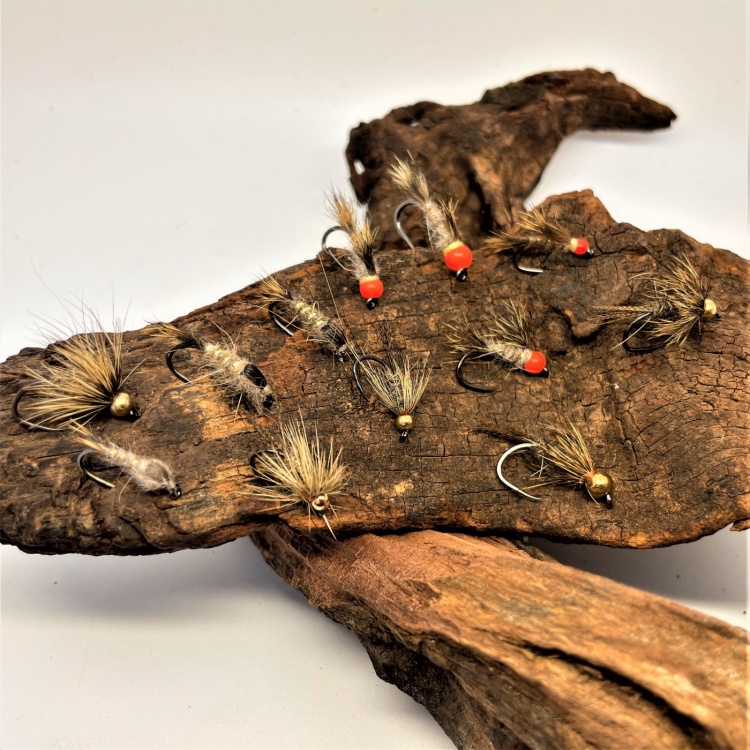
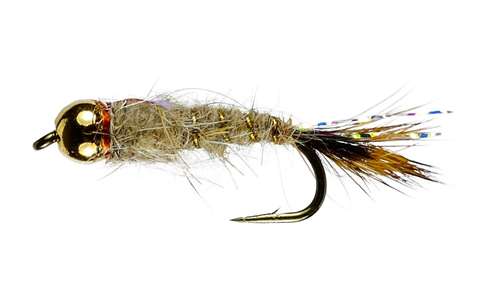
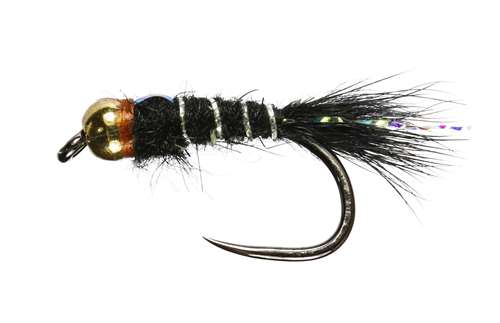
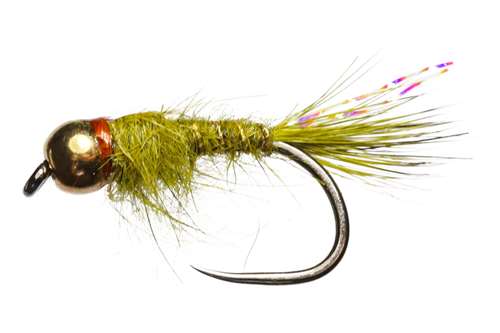
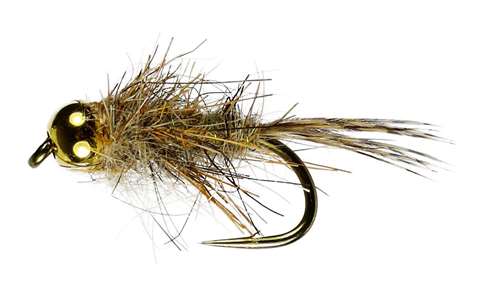
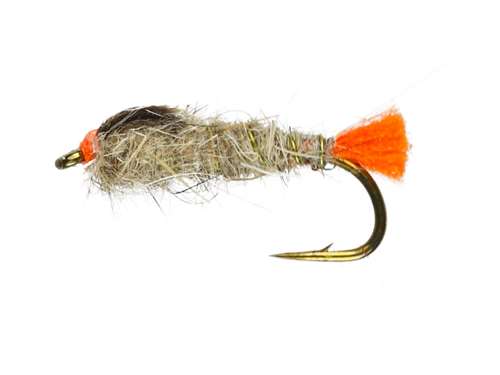
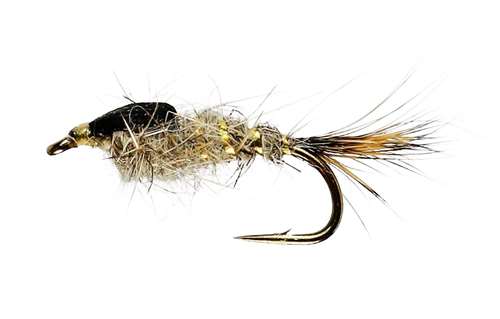
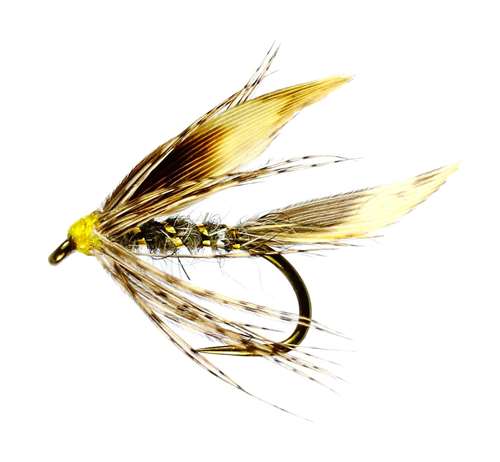
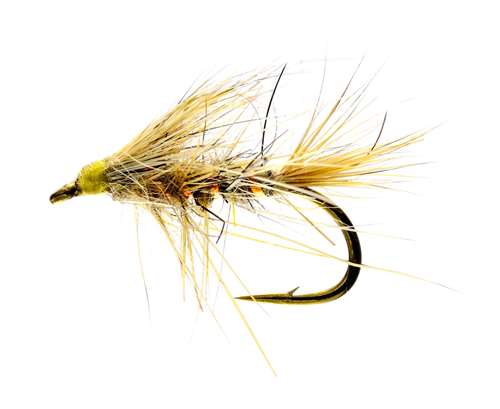
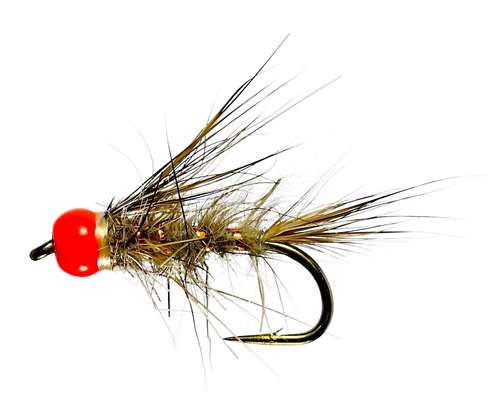
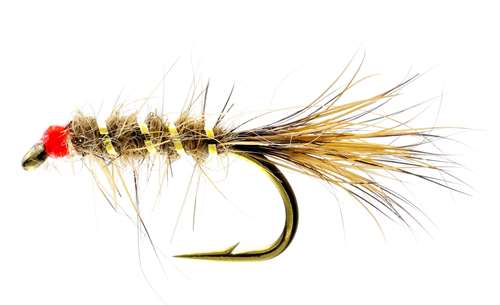
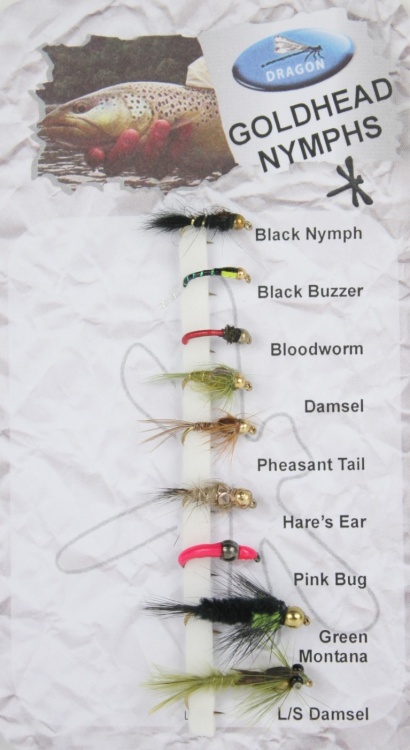
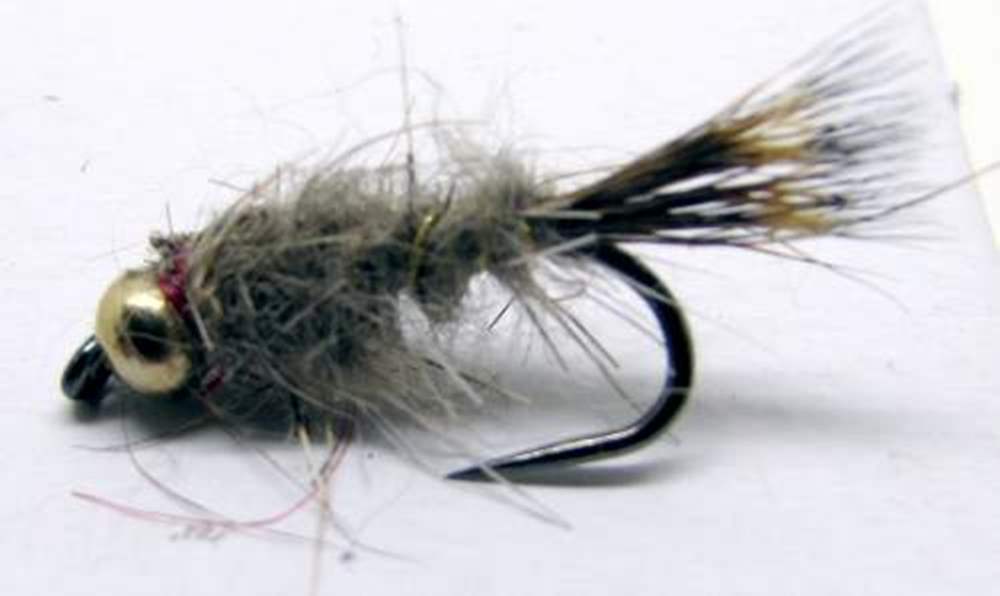
The origins of this nymph are way back into the 1800's and it is a killer whenever olives hatch. Perhaps the most recognized, fished, and proven nymph ever tied. The hare’s ear nymph will attract fish even when there is no hatch on. The Hare's ear is a nymph that imitates almost any natural nymph. I would suggest you try it in runs and riffles, or fish it in still waters.
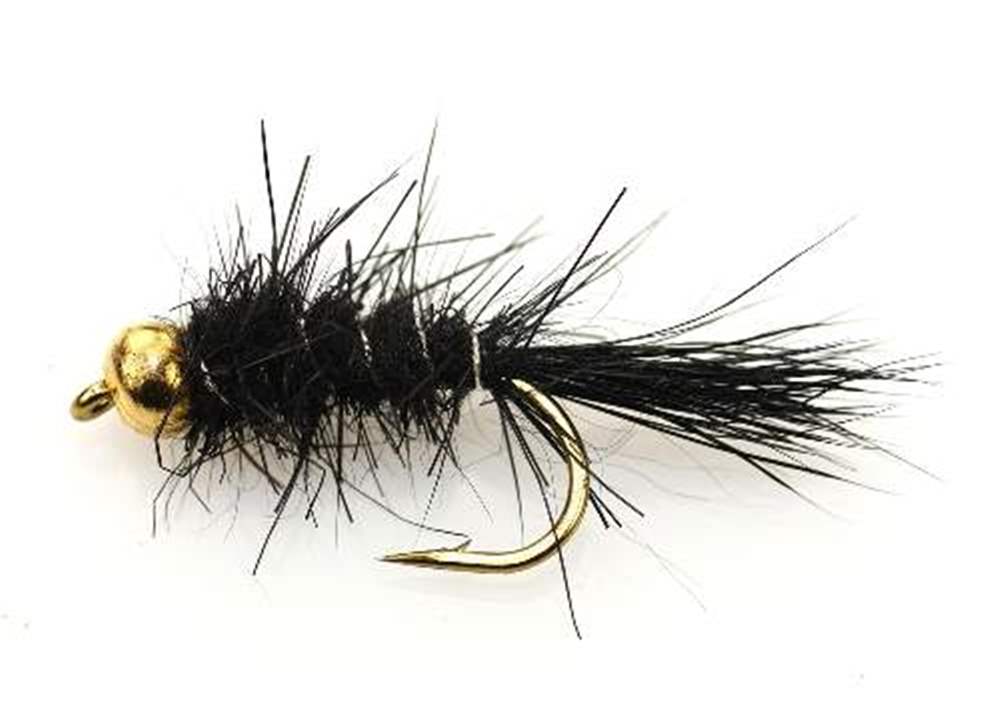
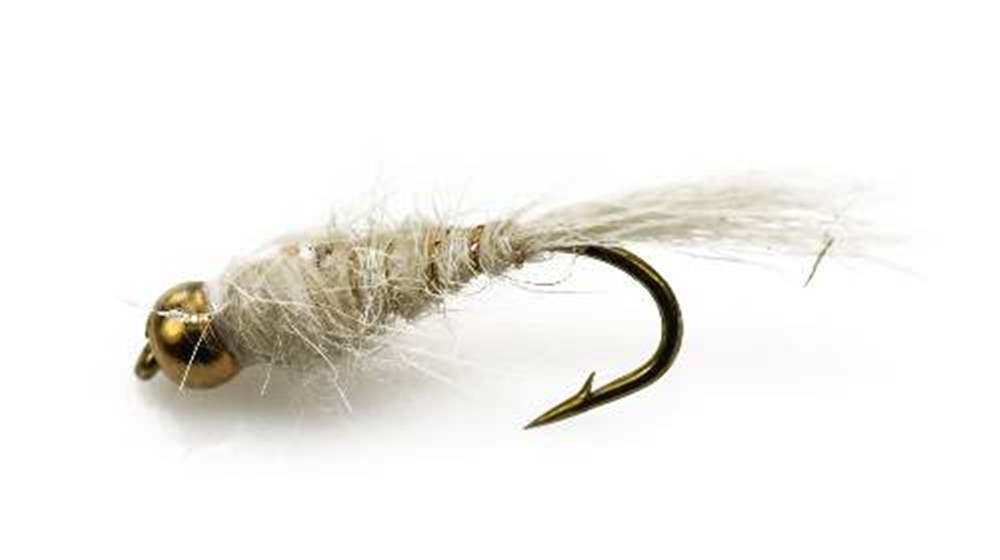
Stripping or a slow retrieve with this nymph back on a lake or pond can get trout on the rod. It is a must for every fly box. The Bead Headed varieties are brilliant fly patterns. We find stripping these or slow retrieves are very productive with the Gold Ribbed Hares Ear, it is fished by us regularly. The gold bead head attracts the trout with the Hare's Ear as the main "bait". A deadly fly for the fly fisherman. See our blog article on the Gold Ribbed Hares Ear for more information
Fly
.jpg)
Fly
.jpg)
.jpg)
.jpg)
Fly
Fly
Fly
Fly
Fly
Fly
Fly
Fly
Fly
Fly
Fly
Fly
Fly
Fly
Available in Fly Size(s)
10, 12, 14, 16.
Available in Fly Size(s)
10, 12, 14, 16.
Available in Fly Size(s)
10, 12, 14, 16.